Secrets of Cone Hill: Is There a Pyramid in the Amazon Rainforest?"
Cone Hill: Mysterious Amazonian Pyramid Hidden in the Jungle
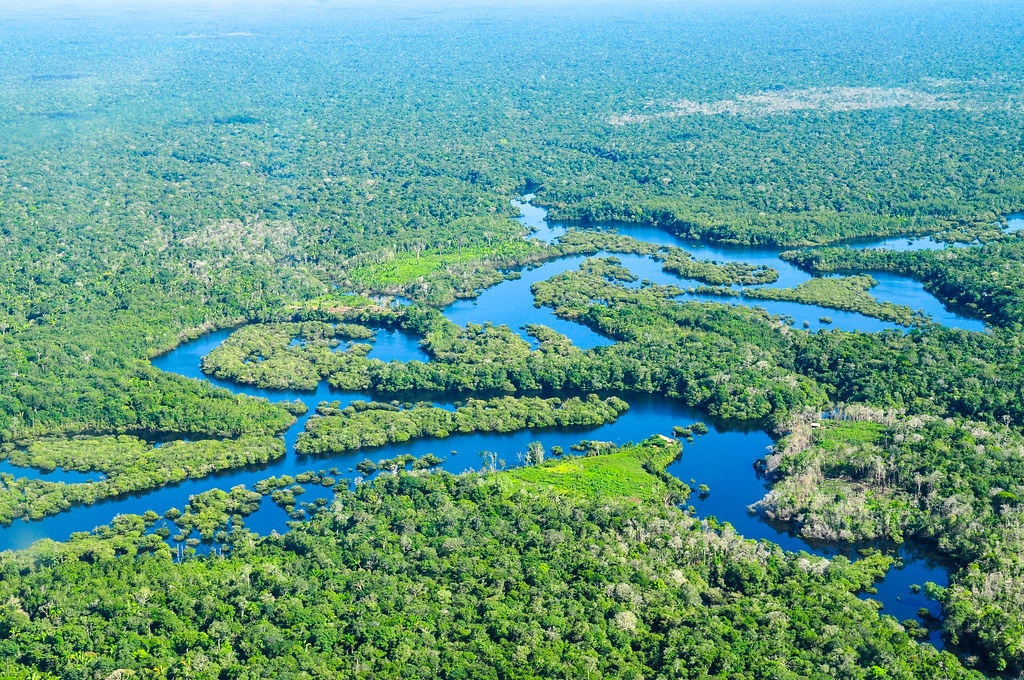
Deep within the heart of the Amazon rainforest, where sunlight barely touches the forest floor and ancient secrets lie buried under thick canopies, a mysterious cone-shaped hill has caught the attention of scientists, explorers, and mystery enthusiasts alike. Dubbed “Cone Hill,” this formation is raising questions that stretch the limits of geology, archaeology, and human history.
How Was Cone Hill Discovered?
The structure came into public attention through satellite imagery. Researchers studying deforestation patterns in the western Amazon basin were baffled when they noticed a perfectly symmetrical cone-shaped formation surrounded by dense jungle. Unlike the rolling landscape of the Amazon, Cone Hill stood isolated and geometrically striking.
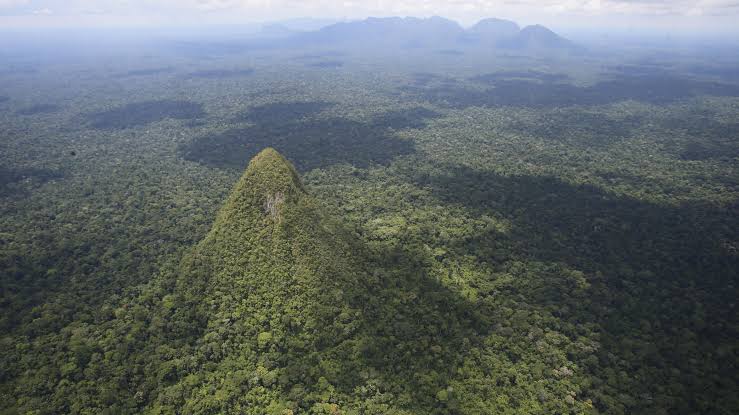
Some images were flagged by AI models trained to detect unusual topographical anomalies. Further examination revealed that the hill measured about 100 meters high, with a base that spanned nearly 300 meters—eerily close to some of the oldest pyramids known to man.
Natural Formation or Lost Civilization?
Geologists argue that volcanic plugs or eroded landforms can sometimes create pointed hills. But here's where things get strange: Cone Hill doesn’t match the geological profile of the surrounding area. There are no known volcanic activities or tectonic reasons to support the presence of such a symmetrical cone.
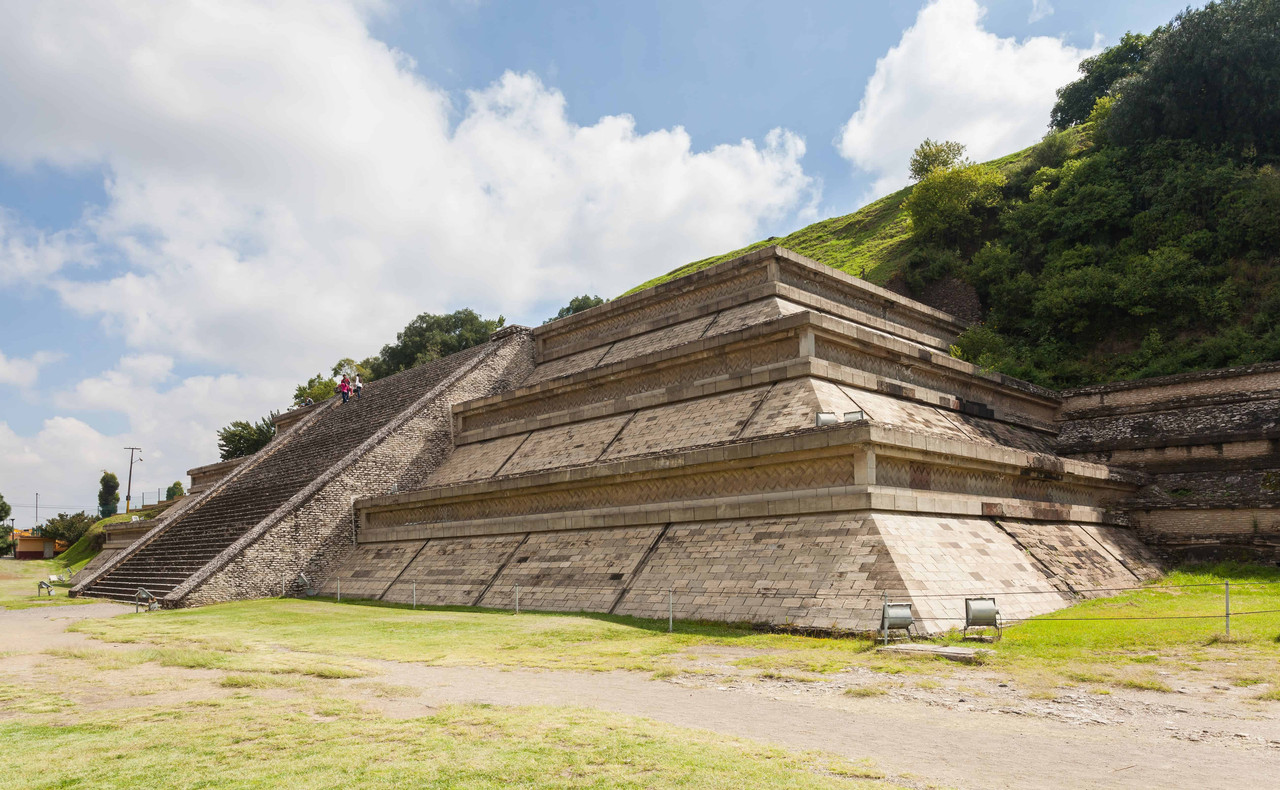
Even more shocking are the straight edges and layered terraces visible on its slopes—features not commonly seen in natural hills. Drone footage taken by a Brazilian expedition team suggested that the “hill” may be covered in vegetation hiding a stepped structure underneath. This has led to speculation that Cone Hill could be a man-made pyramid built thousands of years ago—possibly by a civilization lost to time.
Could Cone Hill Rewrite History?
The Amazon is known for hiding remnants of advanced civilizations. In recent years, LiDAR (Light Detection and Ranging) technology has revealed massive networks of roads, mounds, canals, and even cities hidden beneath jungle growth. The idea that Cone Hill could be part of such a forgotten network isn’t far-fetched.
If proven to be artificial, Cone Hill might be older than the Egyptian pyramids or even the Mesoamerican ziggurats. But who built it? The Amazon has no known ancient cultures that left behind monumental architecture—at least not until recent discoveries started telling a different story.
Unexplained Phenomena Around Cone Hill
Local tribes living near the region have long spoken of the “Silent Hill” —a sacred place where birds do not chirp, and animals never venture. Some explorers who’ve approached Cone Hill have reported their compasses spinning erratically, sudden equipment failures, and a sense of dizziness or nausea as they near the base.
These reports are difficult to verify, but they echo tales from other mysterious megalithic sites around the world. Could Cone Hill be surrounded by some unknown electromagnetic anomaly? Or is it simply fear amplified by isolation and folklore?
Scientific Challenges and Controversies
Despite the growing curiosity, Cone Hill remains largely unexplored on the ground. The thick jungle makes excavation nearly impossible without massive funding and government support. Moreover, deforestation laws and indigenous rights must be respected, which makes unauthorized exploration illegal.
Skeptics argue that many “man-made” claims are speculative and driven by online mystery communities rather than peer-reviewed science. But even they agree—Cone Hill doesn’t behave like a typical hill. Until proper excavation is done, the truth will remain buried—literally.
Theories About Cone Hill’s Origins
- Ancient Civilization: Some believe it was built by a prehistoric tribe that predates the Inca or Mayans, lost in the jungle for millennia.
- Alien Landing Site: The perfectly symmetrical shape has fueled theories about extraterrestrial involvement.
- Hidden Tomb or Portal: Fringe theorists believe Cone Hill could be a sealed gateway to a massive underground city or portal.
- Natural Anomaly: Some geologists maintain it’s a fluke of erosion, shaped by wind, water, and time.

What Lies Beneath?
One of the most persistent questions is—what lies beneath Cone Hill? Ground-penetrating radar hasn’t yet been used in the area, but researchers are calling for such a study. If there are chambers, stones, or tunnels hidden inside, they could change our understanding of South American history forever.
Until then, Cone Hill remains an enigma: a lone, symmetrical pyramid-shaped mystery in the heart of the world’s most impenetrable forest. Is it a natural freak, a relic of forgotten ingenuity, or something not of this Earth?
Conclusion: The Mystery Continues...
Mysteries like Cone Hill remind us that Earth still holds secrets we’ve yet to decode. From the icy peaks of Antarctica to the green lungs of the Amazon, the unexplored corners of our planet are like living museums of forgotten worlds.
Whether science eventually proves Cone Hill to be natural or man-made, the curiosity it ignites is proof that the spirit of exploration is still alive. And maybe, just maybe, the jungle will one day whisper its secrets to those who dare to listen.
🧭 Stay curious. Stay questioning.
Thank you for reading this deep dive into one of Earth’s lesser-known mysteries. If you enjoyed this article, feel free to share it and explore more such secrets hiding in plain sight.


.jpeg)
Comments
Post a Comment